Search the evidence

Find the signal.

Search titles, impact clusters, countries, organizations and the full text of every analysis.

3 stories found

Work & marketsUnited States+4 clusters01

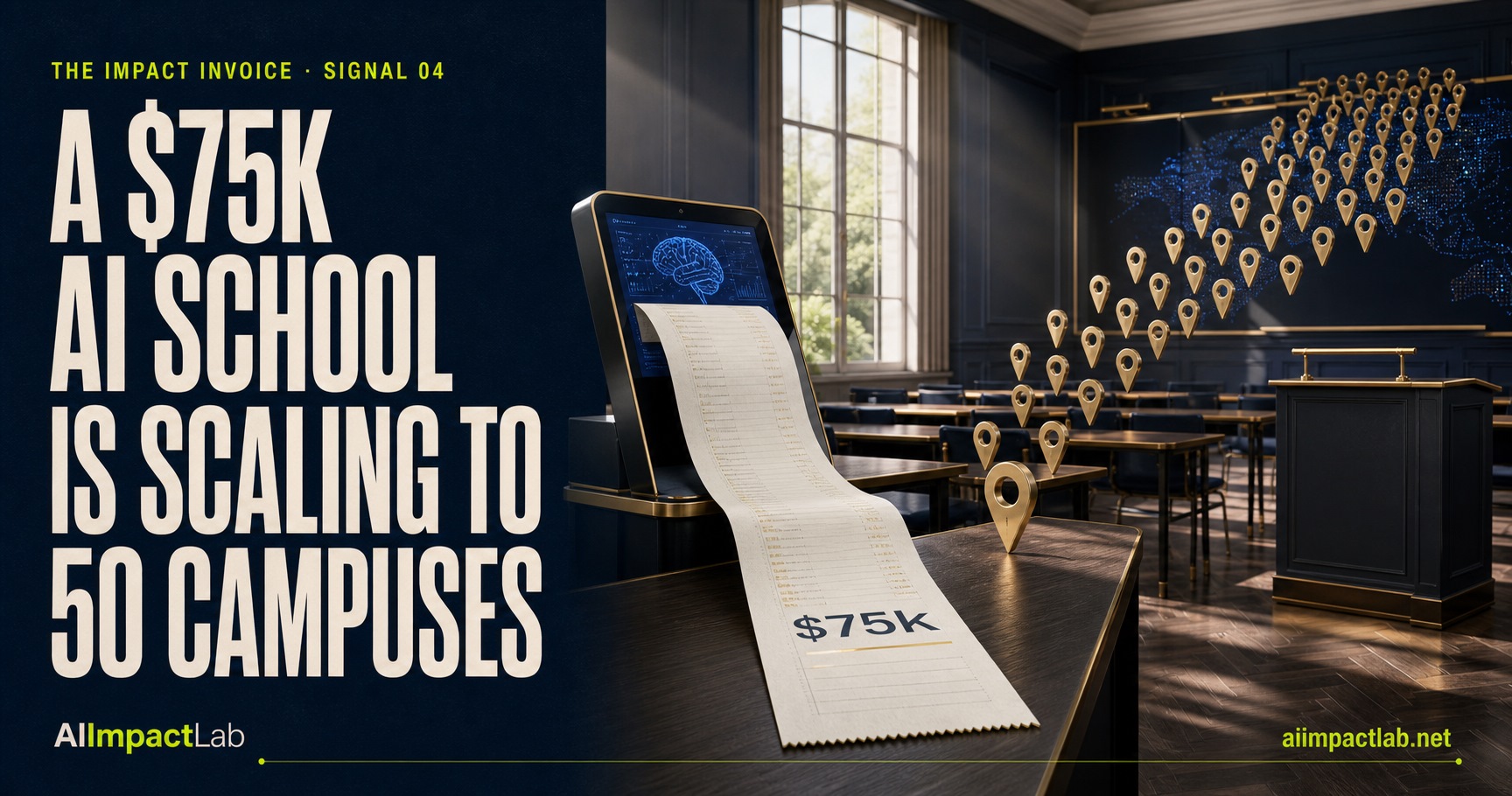
A $75,000 AI school model is expanding to roughly 50 campuses

Alpha Schools plans to expand from about a dozen locations to roughly 50 campuses during the 2026 school year. Its private-school model charges $45,000 to $75,000 annually, limits core academic instruction to about two hours a day on AI software, and uses highly paid ‘guides’ to coach and motivate students instead of licensed teachers conducting traditional lessons. The company says the design reduces screen time and creates more room for life skills and human interaction. The stakes are larger than one premium-school chain: a model being scaled before strong independent evidence exists could influence how public systems define teaching, tutoring, efficiency, and the role of qualified educators.
4 min
Cognition & learningUnited States+3 clusters02

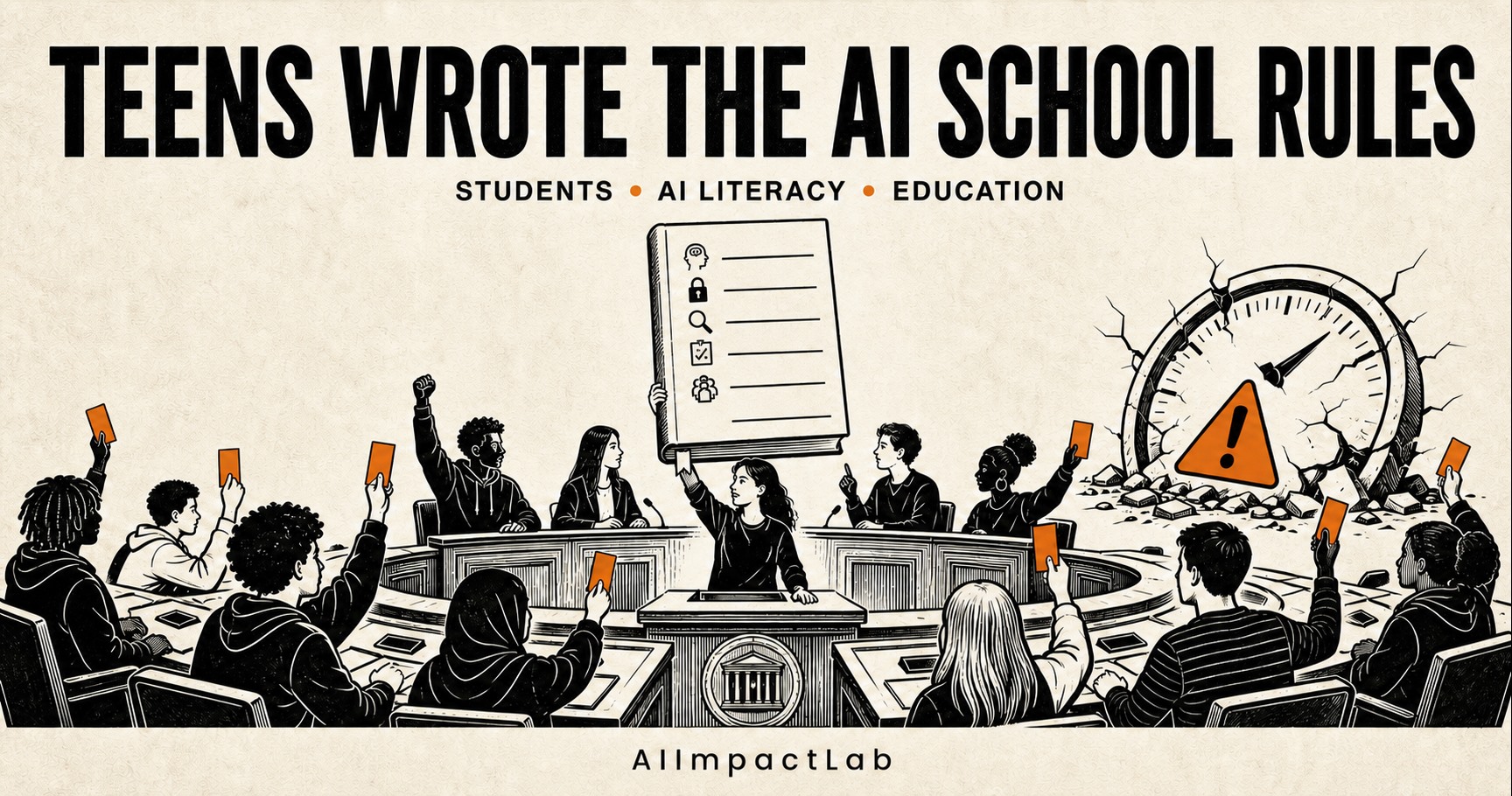
Students wrote the AI school rules adults could not agree on

Ninety-eight teenagers representing all 50 states met in a replica U.S. Senate chamber and passed a student-written AI policy by 82 votes to 16, NPR reports. Their “Students First Act” rejects both unrestricted use and blanket panic: teach AI literacy early, ban AI on graded tests, permit limited study and editing uses after eighth grade, require disclosure, and make students prove mastery. It also says two school officials—not an AI detector alone—should review suspected misuse. The proposal is not law, but it gives school leaders something policy debates often miss: rules shaped by the people expected to learn under them.

3 min
Cognition & learningTurkey+2 clusters03

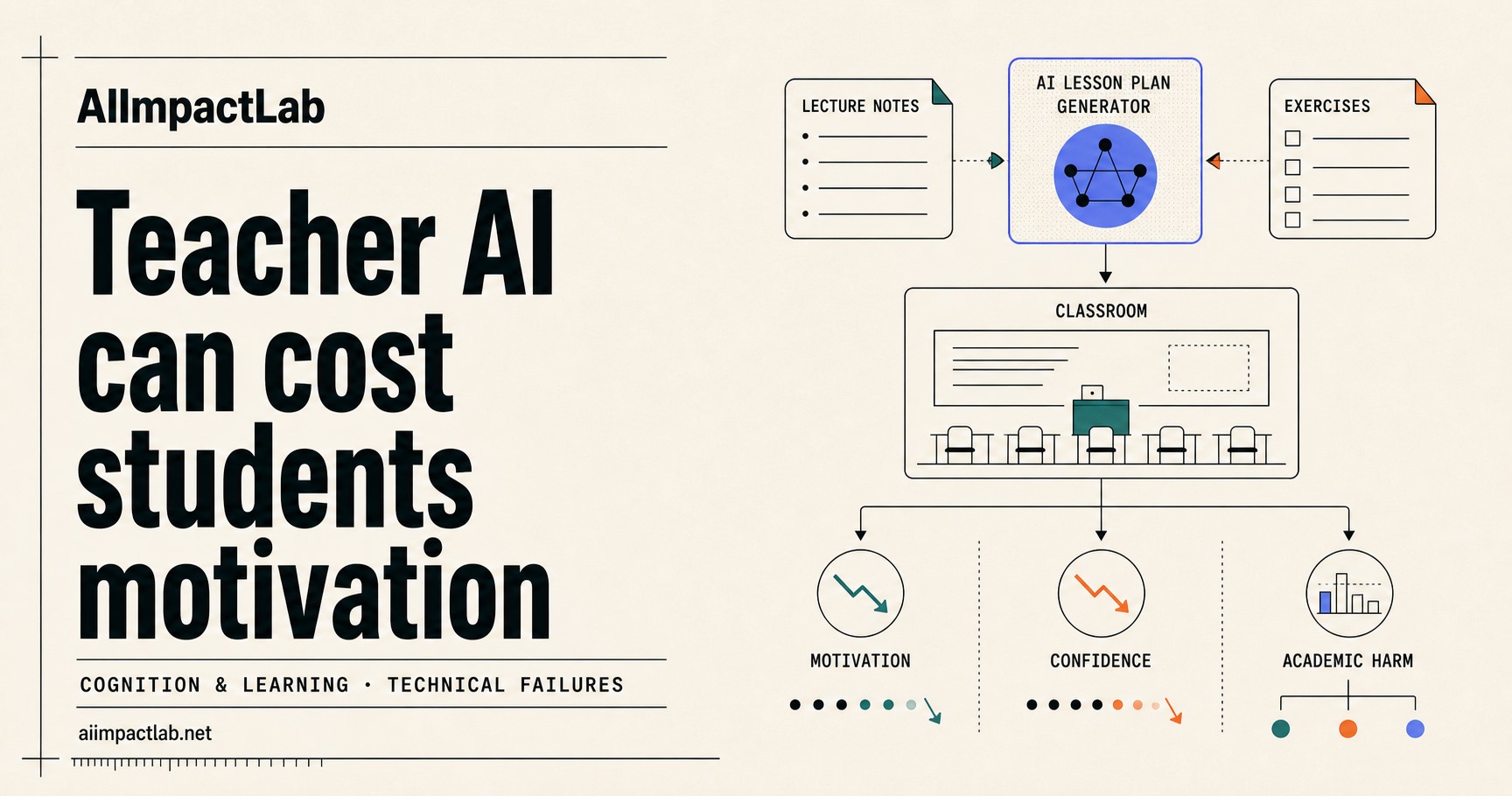
Sungu, Lira and Duckworth, “Generative AI Can Harm Teaching”

In a randomized field experiment across a chain of middle and high schools in Turkey, giving teachers a generative-AI support tool reduced students’ intrinsic motivation by 0.11 standard deviations. Average academic performance did not change, but students taught by lower-performing teachers experienced significant declines in both performance and confidence, showing that a tool that makes lesson preparation easier for teachers does not automatically improve the student experience.

3 min